Carved by the Zambezi River over millions of years, Victoria Falls is one of Earth's most awe-inspiring natural wonders with a story as powerful as the water itself. From ancient Tonga legends to colonial exploration and modern UNESCO recognition, its history runs as deep as the gorge below.
The story of Victoria Falls begins not with human footsteps but with the slow, relentless force of geology. Approximately 150 million years ago, massive volcanic activity across southern Africa created a vast plateau of basalt rock. Over countless millennia, the Zambezi River — one of Africa's great waterways — carved its path through this fractured basalt, exploiting natural fault lines and widening them through erosion. The falls as they exist today are estimated to be around 100,000 years old, though the river's journey through the gorge system began far earlier. Scientists studying the series of zigzagging gorges downstream believe they represent the successive positions of the falls over geological time.
The eight distinct gorges carved below the present-day falls serve as a geological timeline, each one a former position of the waterfall as it retreated upstream through the soft basalt. This process of retrogressive erosion continues today, meaning Victoria Falls is, in geological terms, still in motion. The Batoka Gorge, stretching over 100 kilometres downstream, offers dramatic evidence of the river's ancient power. Long before any human civilisation recorded this spectacle, the Zambezi was performing its thunderous display for an audience of wildlife alone — elephants, hippos, and countless bird species drawn to the permanent mist and fertile riverbanks that the falls have always generated.
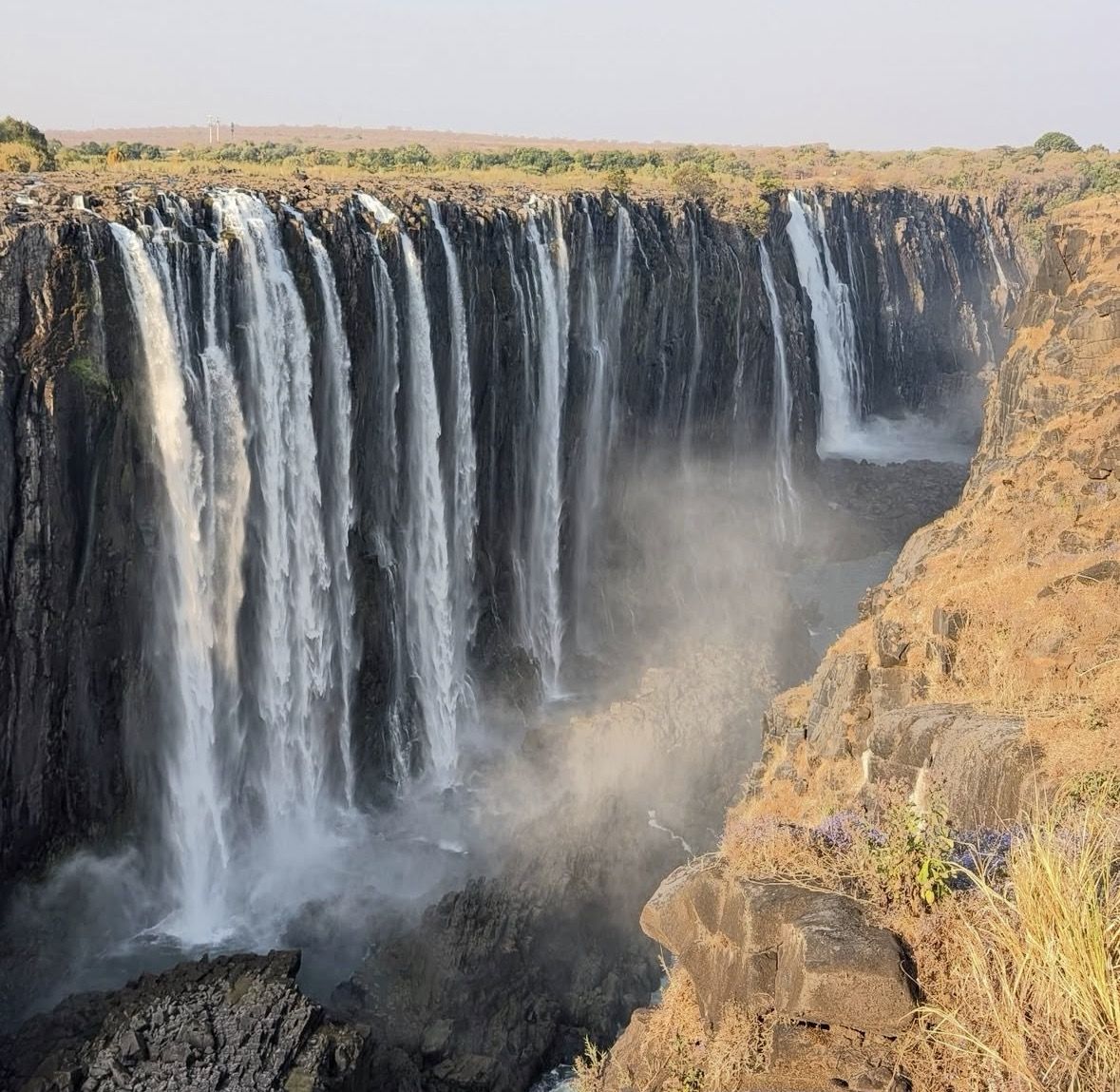
Long before European explorers arrived, the indigenous Tokaleya people — later displaced by the Tonga — inhabited the lands surrounding the falls and held them as a deeply sacred site. The Tonga people called the waterfall Shungu Namutitima, meaning 'the boiling water,' a name that vividly captures the perpetual mist and spray that rises hundreds of metres into the air. To the Tonga, the falls were not merely a natural phenomenon but a spiritual portal, home to powerful river spirits. Rituals and offerings were made at the water's edge, and the roar of the falls was interpreted as the voice of the spirit world communicating with the living.
By the early 19th century, the Kololo people — a Sotho group who migrated northward under their chief Sebetwane — had gained influence over the region and introduced their own name for the falls: Mosi-oa-Tunya, meaning 'the Smoke That Thunders.' This evocative Lozi-language name remains the official local name for the falls today and is widely used across Zimbabwe and Zambia. The name captures two defining characteristics: the smoke-like mist column visible from up to 50 kilometres away, and the ground-shaking thunder that reverberates through the surrounding rainforest. Mosi-oa-Tunya is not merely poetic — it is a precise, experiential description from people who lived alongside this natural giant.
The indigenous communities surrounding Victoria Falls developed sophisticated relationships with the Zambezi River over centuries, relying on it for fishing, agriculture, and trade. The Lozi people to the north built entire cultural calendars around the river's flood cycles, while communities on both banks developed canoe-building traditions and river navigation skills that allowed trade networks to flourish across the region. The falls themselves served as a natural boundary and gathering point, and oral traditions passed down through generations preserved detailed knowledge of the river's seasonal behaviour. This rich indigenous heritage is increasingly celebrated at the falls today, with cultural villages and heritage sites on both the Zambian and Zimbabwean sides honouring these deep-rooted traditions.
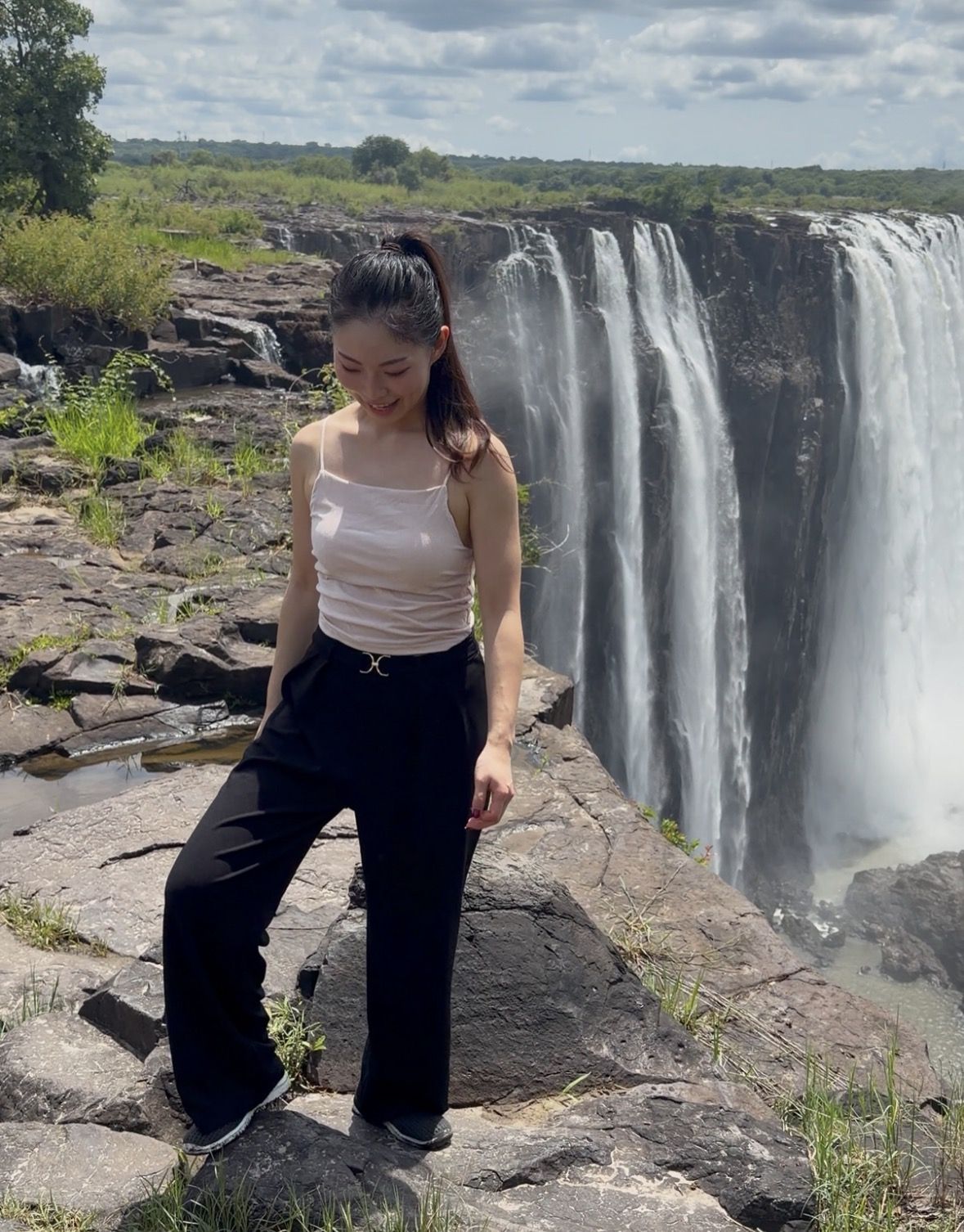
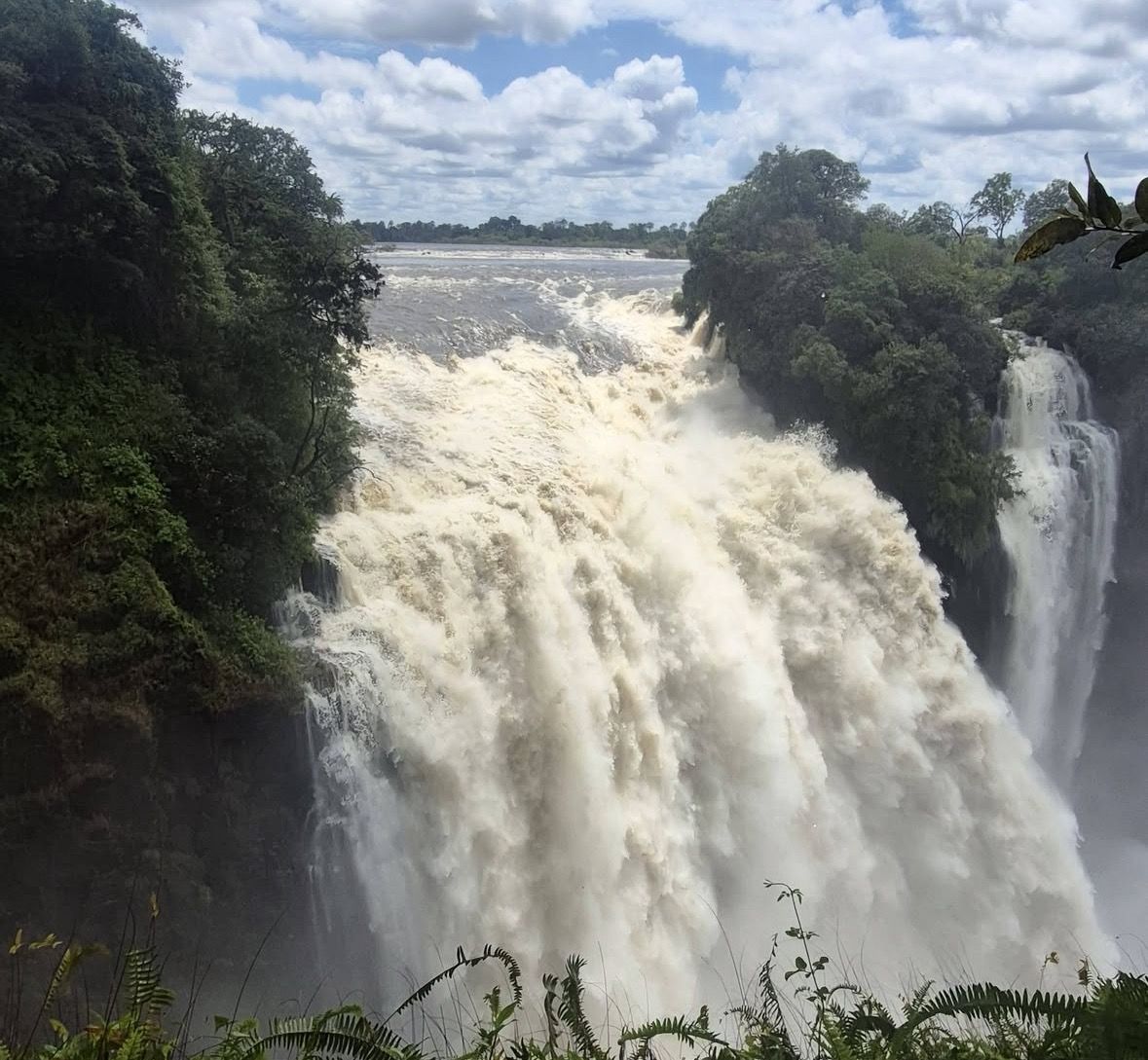
On 16 November 1855, Scottish missionary and explorer David Livingstone became the first European to see Victoria Falls, arriving by canoe along the Zambezi from Kalai Island. Guided by Kololo tribesmen who had long known the falls as Mosi-oa-Tunya, Livingstone was so overwhelmed by the spectacle that he later wrote it was 'the most wonderful sight I had witnessed in Africa.' He named the falls after Queen Victoria, in keeping with the colonial convention of honouring the British monarch. Livingstone's vivid accounts, published in his 1857 work Missionary Travels and Researches in South Africa, ignited widespread European fascination and set the stage for the imperial scramble that would follow.
The construction of the Victoria Falls Bridge between 1904 and 1905 marked a transformative moment in the falls' modern history. Commissioned by Cecil Rhodes as part of his ambitious Cape-to-Cairo railway vision, the 198-metre steel bridge was audaciously positioned so that the spray from the falls would dampen passing trains. Rhodes died in 1902 before seeing it completed, but the bridge opened on 12 September 1905 and immediately began drawing tourists in significant numbers. The railway connection made Victoria Falls accessible to wealthy travellers from South Africa and beyond, and the luxurious Victoria Falls Hotel — opened in 1904 — provided them with an elegant base from which to witness the spectacle.
The 20th century brought dramatic political change to the region, with the federation of Rhodesia and Nyasaland forming in 1953 and eventually giving way to the independent nations of Zambia (1964) and Zimbabwe (1980). Through these transitions, Victoria Falls remained a shared natural treasure administered cooperatively across the international border that bisects the Zambezi. The town of Victoria Falls in Zimbabwe and the town of Livingstone in Zambia both developed robust tourism infrastructure, and the falls became a cornerstone of both nations' identities and economies. In 1989, UNESCO recognised this significance by inscribing Victoria Falls — along with Mosi-oa-Tunya National Park — on the World Heritage List.
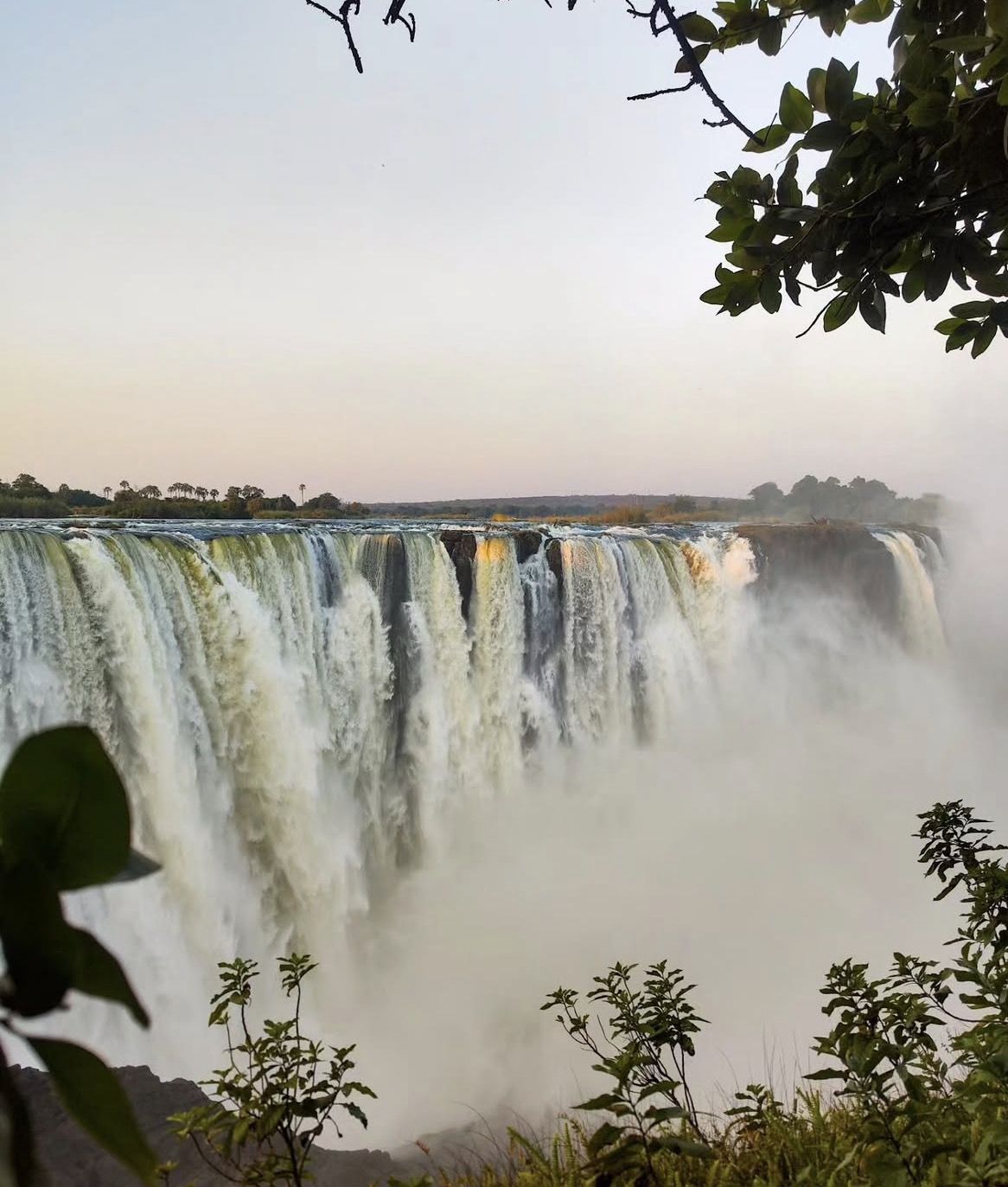
Today, Victoria Falls attracts well over 1.5 million visitors annually and has evolved into one of Africa's premier adventure tourism destinations. Beyond simply witnessing the falls, travellers can bungee jump from the historic 1905 bridge, white-water raft the Batoka Gorge's Grade 5 rapids, take microlight flights over the cascades, or swim at the edge of the abyss in the famous Devil's Pool — a natural rock pool on the Zambian side that operates during low-water season. The surrounding national parks protect populations of elephant, buffalo, zebra, and leopard, while the spray-fed rainforest along the clifftop path sustains a lush ecosystem found nowhere else in the region.
The falls remain as humbling today as they were when Livingstone first set eyes on them — a reminder that some forces of nature utterly transcend human history. Whether you approach from the Zimbabwean Rainforest Walk, which delivers panoramic views across the full width of the falls, or from the Zambian side's intimate vantage points that bring you within metres of the torrent, the experience is genuinely life-altering. Millions of years of geology, centuries of indigenous reverence, and over 150 years of recorded human wonder have all converged at this single spectacular point on the Zambezi. Come and add your own chapter to the story.
Ready to Experience It Yourself?
Victoria Falls is not just a destination — it is a defining life experience that stays with you forever. Browse our handpicked selection of tours, safaris, and adventure packages carefully crafted to show you the falls at their magnificent best. Book with confidence today and let the Smoke That Thunders speak for itself.
Prenota ora